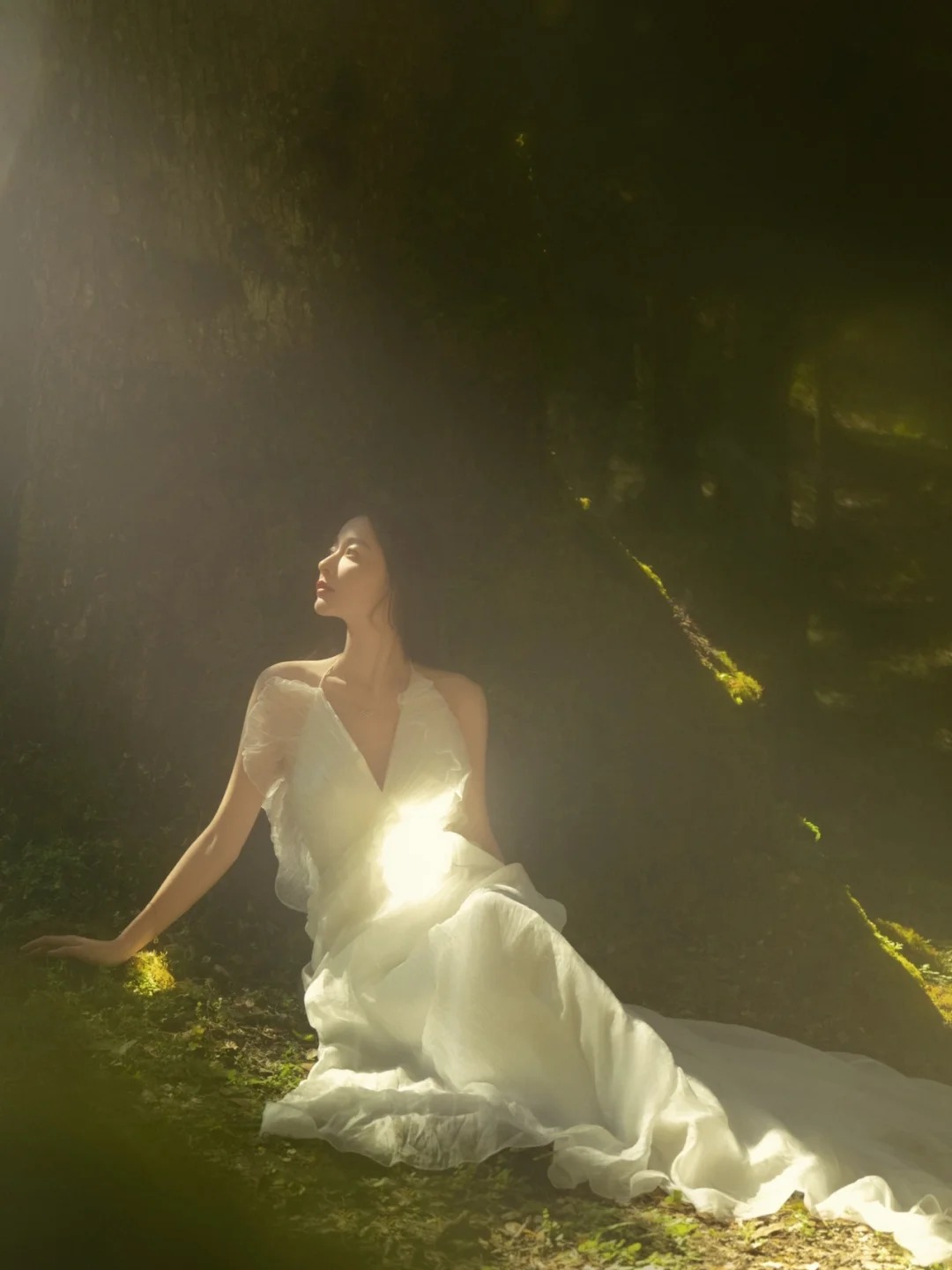
Mastering Every Shot: Essential Photography Tips for Capturing Vietnam’s Landscapes
Vietnam is a visual wonderland that draws landscape photographers, travel creators, and visual storytellers from every corner of the globe. From the mist-wrapped karst mountains of Ha Giang and the golden rice terraces of Mu Cang Chai to the tranquil karst waterways of Ninh Binh and the sun-drenched sand dunes of Mui Ne, every region offers breathtaking natural diversity. However, translating the raw magic of these environments into compelling, portfolio-grade imagery requires specialized techniques, geographical knowledge, and practical preparation. Applying proven photography tips tailored to Vietnam’s unique light, topography, and tropical climate can transform ordinary travel snapshots into extraordinary visual masterpieces.
At Vietnam Photography Service, we believe that mastering travel photography is an ongoing journey of continuous learning, artistic experimentation, and cultural respect. Whether you are navigating high-altitude mountain passes with a full-frame mirrorless camera or exploring coastal fishing villages with a smartphone, having a structured approach elevates your creative results. This comprehensive guide shares essential, expert-level photography tips designed to help you capture Vietnam’s iconic landscapes with professional clarity, artistic depth, and emotional impact.
Understanding Vietnam’s Unique Lighting and Environmental Conditions
Before diving into camera settings and compositional rules, it is vital to understand how Vietnam’s geographic variety influences atmospheric lighting conditions. Tropical atmospheres, high humidity levels, shifting weather patterns, and seasonal monsoons create unique shooting challenges and extraordinary creative opportunities for landscape photographers.
1. Harnessing the Magic of Tropical Golden Hour
In tropical regions near the equator, golden hour transitions very rapidly compared to higher latitudes. The ideal window between soft golden light and harsh vertical sunlight often lasts less than 40 minutes, requiring quick decision-making and pre-planned compositions.
- Morning Light Advantage: Applying early morning photography tips is crucial across all Vietnamese provinces. Sunrise (typically around 5:30 AM to 6:30 AM depending on the season) brings cool temperatures, calm winds, and soft atmospheric mist rising over rivers and agricultural valleys.
- Late Afternoon Warmth: The pre-sunset window (4:30 PM to 5:45 PM) offers warm, highly directional light that accentuates textures on carved mountain terraces, limestone monoliths, ancient heritage walls, and coastal sand dunes.
2. Navigating Mountain Mist, High Humidity, and Atmospheric Haze
Northern Vietnamese highlands such as Sapa, Ha Giang, Cao Bang, and Mau Son are world-famous for dramatic mountain mist, shifting cloud seas, and soft atmospheric layers.
- Contrast and Glare Management: High humidity and valley fog can lower overall image contrast and introduce unwanted glare on foliage. One of the most effective technical photography tips for fog scenes is using a circular polarizer (CPL) to cut surface glare and utilizing the “Dehaze” and “Clarity” sliders carefully during post-processing.
- Creating Depth Through Layering: Use foreground elements, such as pine branches, ethnic stilt house roofs, or rustic wooden fences, to anchor your shot and give scale to misty background mountain chains.
Essential Photography Tips for Iconic Vietnamese Landscapes
Different geographical settings across Vietnam demand distinct compositional strategies, lens choices, and technical camera setups. Below are location-specific photography tips for mastering Vietnam’s most celebrated visual regions.
1. Rice Terraces of Mu Cang Chai, Hoang Su Phi, and Sapa
Sculpted into steep mountain slopes over centuries by ethnic minority farmers, Vietnam’s terraced rice fields are recognized among the world’s greatest agricultural marvels.
- Telephoto Compression Techniques: While a wide-angle lens captures vast panoramas, top compositional photography tips emphasize using a 70-200mm or 100-400mm telephoto lens. Zooming in compresses the repeating S-curves and geometric patterns of the terraces, isolating captivating abstract shapes, small farm huts, and working farmers.
- Capitalizing on Seasonal Highlights:
- Pouring Water Season (May – June): Rainwater floods the paddies, turning the mountainsides into giant, cascading mirrors reflecting sky hues and cloud formations.
- Golden Harvest Season (September – October): Bright yellow rice fields pop against green pine forests and blue mountain skies. Use a polarising filter to enhance color saturation naturally without overprocessing.
2. Limestone Karsts and Waterways of Ninh Binh, Phong Nha, and Ha Long Bay
Where emerald waters meet towering vertical limestone peaks, framing depth is the key to creating compelling, three-dimensional landscape imagery.
- Utilizing Leading Lines and Reflections: In places like Trang An, Tam Coc, and Ba Be Lake, winding rivers cut directly through karst peaks. Following practical compositional photography tips, position local wooden boats along lower diagonal grid lines to lead the viewer’s eye deep into the canyon scene.
- Aperture Optimization for Edge-to-Edge Sharpness: Keep your aperture between f/8 and f/11 to maintain sharp corner-to-corner focus across both near-foreground water reflections and distant karst summits while avoiding lens diffraction.
3. Coastal Dunes, Salt Fields, and Fishing Villages of Mui Ne, Nha Trang, and Hoi An
Coastal environments introduce bright sand, highly reflective ocean surfaces, energetic harbor life, and unique artisanal traditions like salt harvesting.
- Managing High-Contrast Harsh Sunlight: Sunlight reflecting off white sand dunes, ocean waves, or flooded salt pans can easily confuse camera light meters. Among crucial exposure photography tips, monitor your live histogram to prevent blown-out highlights, and consider shooting in bracketed exposures (-2 EV, 0 EV, +2 EV) for High Dynamic Range (HDR) blending.
- Shutter Speed Control for Water and Movement: Use fast shutter speeds of 1/500s or faster to freeze splashing waves, throwing fishing nets, and vibrant round basket boats (thung chai), or attach a 6-stop or 10-stop Neutral Density (ND) filter to create silky smooth 2-second to 30-second water and cloud motion blurs.
Technical Camera Settings and Gear Preparation
Having top-tier camera gear is helpful, but applying accurate technical photography tips ensures your equipment performs at its highest potential in demanding outdoor environments.
Recommended Camera Gear Setup for Outdoor Expeditions
- Weather-Sealed Camera Body: A durable mirrorless or DSLR body capable of resisting light drizzle, dust, salt spray, and high tropical humidity is essential for remote mountain trekking and coastal shoots.
- Versatile Lens Trinity:
- 16-35mm f/2.8 or f/4 Wide-Angle: Essential for sweeping mountain vistas, deep limestone canyons, expansive sky compositions, and indoor stilt house architecture.
- 24-70mm f/2.8 Standard Zoom: The ultimate walk-around lens for environmental landscapes, rural village life, street scenes, and environmental portraiture.
- 70-200mm f/2.8 or f/4 Telephoto: Indispensable for capturing compressed terrace layers, distant mountain peaks, wildlife, and candid rural portraits from a respectful distance.
- Sturdy Carbon Fiber Tripod: Crucial for low-light sunrise sessions, long-exposure waterfalls, night astrophotography over mountain passes, and smooth bracketed landscape shots.
See more: Professional Portrait Photography
Optimal Exposure Settings for Landscape Photography
- Shooting Mode: Manual (M) or Aperture Priority (A/Av) gives you total control over depth of field, motion blur, and exposure balance.
- ISO Control: Maintain your camera’s native base ISO (typically ISO 64 or ISO 100) to maximize dynamic range and minimize unwanted noise in shadow areas.
- Focusing Method: Use Single-Point Autofocus (AF-S) or Manual Focus with Focus Peaking activated. Focus approximately one-third into the scene to maximize hyperfocal distance sharpness throughout the image frame.
Advanced Composition Techniques for Travel Photographers
Elevating your images from standard travel photos to fine-art landscape prints requires applying advanced artistic photography tips.
- The Rule of Thirds and Horizon Placement: Position horizon lines along the upper or lower horizontal third depending on whether the sky or foreground terrain holds more visual interest. When framing dramatic cloudscapes over Ha Giang, place the horizon on the lower third line to emphasize sky dynamics.
- Frame Within a Frame: Look for natural stone arches, ancient temple doorways, lush bamboo groves, or overhanging tree branches to frame distant mountain vistas or river valleys, adding immediate depth and narrative focus.
- Incorporating Human Scale for Emotional Impact: A vast mountain landscape can sometimes appear flat or hard to judge without a human reference. Incorporating a local farmer walking along a rice paddy ridge, a colorful ethnic minority weaver, or a hiker on a cliff edge provides a powerful sense of proportion and emotional connection.
Drone Photography Tips: Capturing Vietnam from Above
Aerial drone photography has revolutionized landscape storytelling in Vietnam, offering spectacular bird’s-eye perspectives over winding mountain passes, serpentine rivers, and coastal fish farms.
- Check Local Flight Regulations and Border Restrictions: Always research regional drone rules and obtain necessary permissions before flying near national borders (such as Ban Gioc Waterfall or parts of Ha Giang), military zones, or protected heritage parks like Ha Long Bay.
- Topographic Composition and Geometric Framing: Look for top-down geometric patterns—such as the curving loops of the Ma Pi Leng Pass, circular fish farms in coastal bays, or checkerboard salt fields in Hon Khoi.
- Lighting Angle for Aerial Shots: Fly during low-angle sunrise or sunset light. Long side shadows cast by limestone peaks, palm trees, or rice terraces create dramatic texture and three-dimensional depth that flat midday sunlight cannot replicate.
See more: Classic Sunset Wedding
Post-Processing and Image Editing Tips for Landscape Shots
Capturing a RAW file in the field is only the first half of creating a masterwork; thoughtful post-processing brings your artistic vision to fruition. Following refined editing photography tips maintains natural authenticity while enhancing visual strength.
- Protect Natural Color Balance: Avoid over-saturating green fields or blue skies. Use the HSL (Hue, Saturation, Luminance) panel to selectively refine specific tones, preserving the realistic beauty of Vietnam’s countryside.
- Master Shadow and Highlight Recovery: High-contrast landscape scenes benefit from lifting shadow details in dense mountain forests while lowering highlight values in bright sky clouds to recover lost texture without creating unnatural HDR halos.
- Targeted Local Adjustments and Masking: Utilize radial and linear gradient masks in Lightroom or Photoshop to gently guide the viewer’s eye toward primary focal points, such as a sunlit mountain peak, a traditional wooden boat, or a winding river path.
Ethical and Sustainable Photography Practices in Vietnam
At Vietnam Photography Service, we advocate for responsible travel photography that honors local communities and preserves natural ecosystems. Integrating ethical photography tips into your journey ensures positive, sustainable interactions everywhere you shoot.
- Respect Local Privacy and Human Dignity: Always request permission before photographing local ethnic villagers, farmers, or children. A warm smile, respectful eye contact, and polite gesture go a long way in establishing mutual trust.
- Leave No Trace in Natural Destinations: Stick to designated hiking trails, avoid stepping on growing crops in rice terraces or flower fields, and dispose of all trash responsibly to protect fragile rural environments for future generations.
- Support Local Economies Directly: Hire local guides, stay in family-run village homestays, and purchase handmade crafts or meals directly from communities you visit during your photography expeditions.
Recommended 7-Day Vietnam Landscape Photography Route
To help you put these practical photography tips into practice across diverse environments, here is an optimized 7-day northern photography route curated by the expert team at Vietnam Photography Service:
- Day 1: Hanoi Departure to Ninh Binh – Afternoon shoot at Hang Mua viewpoint overlooking Tam Coc; sunset boat session through Trang An waterways.
- Day 2: Ninh Binh to Pu Luong – Morning reflections in Trang An; afternoon drive to Pu Luong Nature Reserve for terraced field and water wheel shooting.
- Day 3: Pu Luong to Mai Chau & Mu Cang Chai – Cross scenic mountain passes, capturing ethnic Thai stilt villages, bamboo groves, and green tea hills.
- Day 4: Full Day Mu Cang Chai – Sunrise at Mam Xoi (Raspberry Hill); afternoon session at Horseshoe Hill and Khau Pha Pass during golden hour.
- Day 5: Mu Cang Chai to Sapa – Drive over O Quy Ho Pass during golden hour; shoot sunset over the Hoang Lien Son mountain range.
- Day 6: Sapa to Bac Ha & Ha Giang – Early morning portrait session in Ta Phin Village; scenic transfer toward the Dong Van Karst Plateau.
- Day 7: Ha Giang to Hanoi – Sunrise shoot over Ma Pi Leng Pass and Tu San Canyon before returning to Hanoi.
See more: Couple Hanoi

Conclusion: Elevate Your Visual Storytelling in Vietnam
Mastering landscape photography in a country as visually rich as Vietnam is a deeply fulfilling, transformative creative experience. By applying these comprehensive photography tips—from timing your shoots with golden hour and selecting optimal telephoto focal lengths to respecting local communities and editing with artistic restraint—you will create images that capture both the grand scale and intimate soul of this remarkable nation.
Ready to take your travel photography to the next level? Partner with Vietnam Photography Service for professional photo tours, private workshops, and insider scouting services led by experienced local photographers who know the absolute best vantage points across Vietnam. Contact us today and start planning your ultimate visual adventure!